
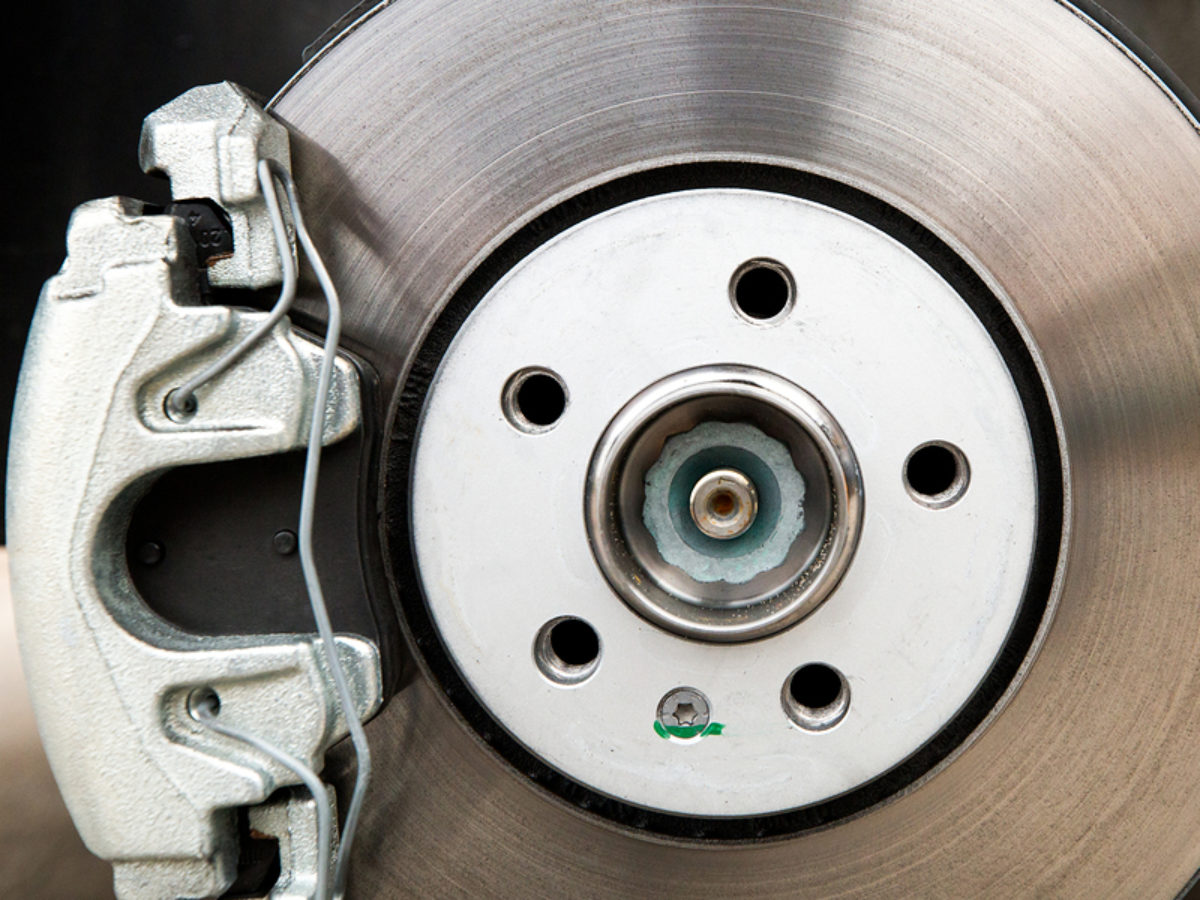
Your brakes are made up of three main parts: rotors, a metal wheel inside your tyre attached to the overall brake system; callipers, which squeeze the rotor to cause friction to slow the car to a stop; and brake pads, which are attached to the callipers to keep them from scraping the rotor directly.
As a general rule, you should get your brake pads replaced every 10,000 to 20,000 miles to keep wear to a minimum. When it comes to your rotors, you have a bit longer. Your rotors should be replaced between 50,000 and 70,000 miles to keep your brakes in peak health.
When you hit these milestones, you should have your vehicle serviced for wear and damage.
When to Replace Them
1. Squeaking or Squealing Coming From Brakes
If your brake pads are near the end of their useful life, the first symptom you’ll begin to notice is a squeaking or squealing noise coming from the brakes. Squealing brake pads are typically caused by excessively worn down pads. Once you’ve worn down your pads enough you’ll start to experience a grinding noise, at which time you’ll also begin to damage your rotors, making the cost of repair even more expensive.
2. Grinding Sound When Braking
Like we stated above, if you’re experiencing a grinding noise while you’re applying pressure to the brake pedal, your brake pads need to be replaced ASAP. Some brake pads have built in metal wear indicators, which are designed to make a loud noise and alert you that it’s time to replace the pads. If you leave the brake pads to continue grinding, you’re opening yourself up to a lot more damage and higher repair costs.
3. Vibration When Braking
Vibration when you apply the brakes is another sign that your vehicle’s braking system is in need of professional help. Chances are that your rotors are warped and created uneven brake pad wear at the same time.
4. Taking Longer To Stop
If you’re experiencing less than ideal stoppage times while applying your brakes, it may mean your brake pads are worn down completely or that your brake fluid is low (oftentimes due to a leak). For a true understanding of what’s going on with your brakes, you’ll want to get to a brake mechanic as soon as possible to ensure you don’t lose all braking abilities.
5. Brake Pad Indicator Light Comes On
Your brake light won’t always come on when there is an issue — it’s also the light that appears on your dash when your parking brake is engaged. But if you’re seeing a brake warning light and your parking brake isn’t engaged, it’s time to have a brake expert take a look at your system to diagnose your issues.
6. Your Brake Pads Appear To Be Thin
One way to easily check on your brake pads is to visually inspect them for wear. To do this, look between the spokes of your wheels and locate your brake pad. If it appears to be less than a ¼ inch or 6.4 mm thick, you’re probably due for a set of new brake pads.